The Most Overrated “Healthy” Foods (And What to Eat Instead)
Granola, green juice, acai bowls. The wellness world loves a food trend, and to be fair, some of them are genuinely good. The problem is what happens when marketing and portion sizes take over.

Not every food that gets a health halo deserves one. The wellness industry is worth billions, and a lot of that money comes from making certain foods sound transformative. In reality, some popular “healthy” choices are nutritionally unremarkable, heavily processed, or loaded with sugar under a respectable disguise.
However that doesn’t mean they’re all bad. Most of the foods on this list have genuine qualities. The issue is the gap between what people think they’re getting and what they’re actually getting once ingredients and portion size enter the picture. Here are the biggest offenders, and what to choose instead.
1. Acai Bowls

The hype: Antioxidant-packed Amazonian superfood. Instagram’s favorite breakfast.
The reality: The acai berry itself can be a solid ingredient: low in sugar and rich in antioxidants. The bowl you order at a cafe is often a different story. Many acai bowls are blended with banana or sweetened bases, then piled with granola, honey, and more fruit. It is very easy for a single bowl to drift into dessert territory.
Better swap: Make your own with frozen unsweetened acai, blend it with water or unsweetened milk, and top with a small handful of berries and a tablespoon of seeds. You keep the benefits without turning it into a sugar bomb.
2. Granola

The hype: Wholesome, natural, full of oats and nuts. A virtuous way to start the day.
The reality: Most store-bought granola is oats baked in oil and sweetened with honey, syrup, or sugar. The bigger problem is portion size: it is easy to pour double without noticing. Granola is calorie-dense and often does not keep you full the way whole oats do.
Better swap: Plain rolled oats or steel-cut oats cooked with cinnamon and topped with fresh fruit. If you love crunch, treat granola as a topping, or make a small batch at home so you control what goes in.
3. Green Juice

The hype: A concentrated hit of vitamins, minerals, and chlorophyll. Detoxifying. Alkalising. Transformative.
The reality: Juicing removes most of the fibre from vegetables and fruit, and fibre is one of the main reasons eating whole produce helps. Fibre slows sugar absorption, supports gut health, and keeps you full. Without it, even a “green” juice with apple or carrot can hit like a quick sugar spike. “Detox” is mostly marketing. Your liver and kidneys already handle that job.
Better swap: Eat your vegetables. A mixed salad, a vegetable soup, or a smoothie (which keeps the fibre) does more for you than juice. If you just want something refreshing, water with lemon and cucumber works.
Worth Knowing
Words like “natural” and “superfood” are often marketing language, not a guarantee of anything. Always check the ingredients list and added sugar before assuming a product is healthy.
4. Protein Bars

The hype: Convenient, high-protein, gym-friendly nutrition on the go.
The reality: Plenty of protein bars are essentially candy bars with some added whey. Many contain added sugar or sugar alcohols, emulsifiers, and a long list of ingredients. They are convenient, but they are also highly processed and do not always keep you full the way real food does.
Better swap: Hard-boiled eggs, a small handful of mixed nuts, Greek yoghurt, or cottage cheese with fruit. If you genuinely need something shelf-stable, choose bars with a short ingredient list and low added sugar.
5. Oat Milk

The hype: A planet-friendly, creamy dairy alternative that’s better for you than cow’s milk.
The reality: Oat milk can be great for taste and texture, but it is not automatically a nutritional upgrade. Also, it is usually low in protein, and many “original” and flavored versions include added sugar. Fortification helps, but it is still worth reading the label if you drink it daily.
Better swap: If you’re switching for environmental reasons, that’s valid. Choose unsweetened oat milk. If you want a higher-protein alternative, unsweetened soy milk is often closer to dairy in protein content.
6. Coconut Oil

The hype: A miracle fat that boosts metabolism, improves brain function, and is better than other cooking oils.
The reality: Coconut oil is very high in saturated fat. However, that does not mean you can never use it. It just works best as an occasional flavour choice, not your default everyday oil. Many of the big metabolism claims come from studies using concentrated MCT oil, not standard coconut oil.
Better swap: Extra virgin olive oil for most cooking and dressings. Save coconut oil for dishes where you specifically want the taste.
7. Flavoured Yoghurt
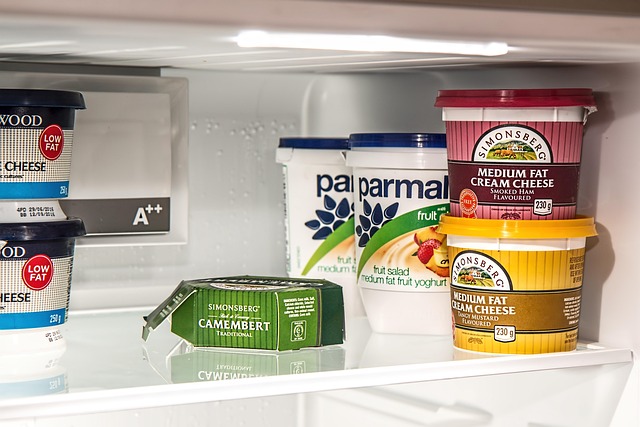
The hype: Probiotic, protein-rich, gut-friendly. A healthy snack or breakfast.
The reality: Plain yoghurt earns its reputation. Flavored yoghurt often comes with a lot more added sugar than people expect, and the “fruit” can be minimal. The probiotic benefit can also vary between products.
Better swap: Plain Greek yoghurt with fresh fruit. Add a little honey if you need sweetness. You get the protein and you control the sugar.
8. Rice Cakes

The hype: Light, low-calorie, a sensible alternative to bread or crackers.
The reality: Rice cakes are basically puffed rice with very little fibre or protein. They do not keep you full, which often means you end up snacking again soon after.
Better swap: Oatcakes or wholegrain rye crackers. Add a real topping like nut butter, avocado, or hummus so it actually satisfies.
The Simple Rule
Most overhyped health foods are not “bad.” They just get messy fast: a sweetened base, a few toppings, and suddenly the calories and sugar jump.
The Bottom Line
None of these foods are poison. An acai bowl now and then is fine. Coconut oil in a curry is fine. A protein bar in a pinch is fine. The issue is the pattern: when people believe they’re making healthy choices and consistently end up with sugar-heavy or heavily processed versions, it adds up over time.
The most reliable shortcut in nutrition is still the oldest one: eat mostly whole foods, cook when you can, read the ingredients list instead of the front label, and stay sceptical of anything marketed as life-changing. The foods that are actually good for you rarely need to shout about it.
This article is for informational purposes only and does not constitute medical or nutritional advice. Consult a registered dietitian or healthcare professional for personalised guidance.
